Description
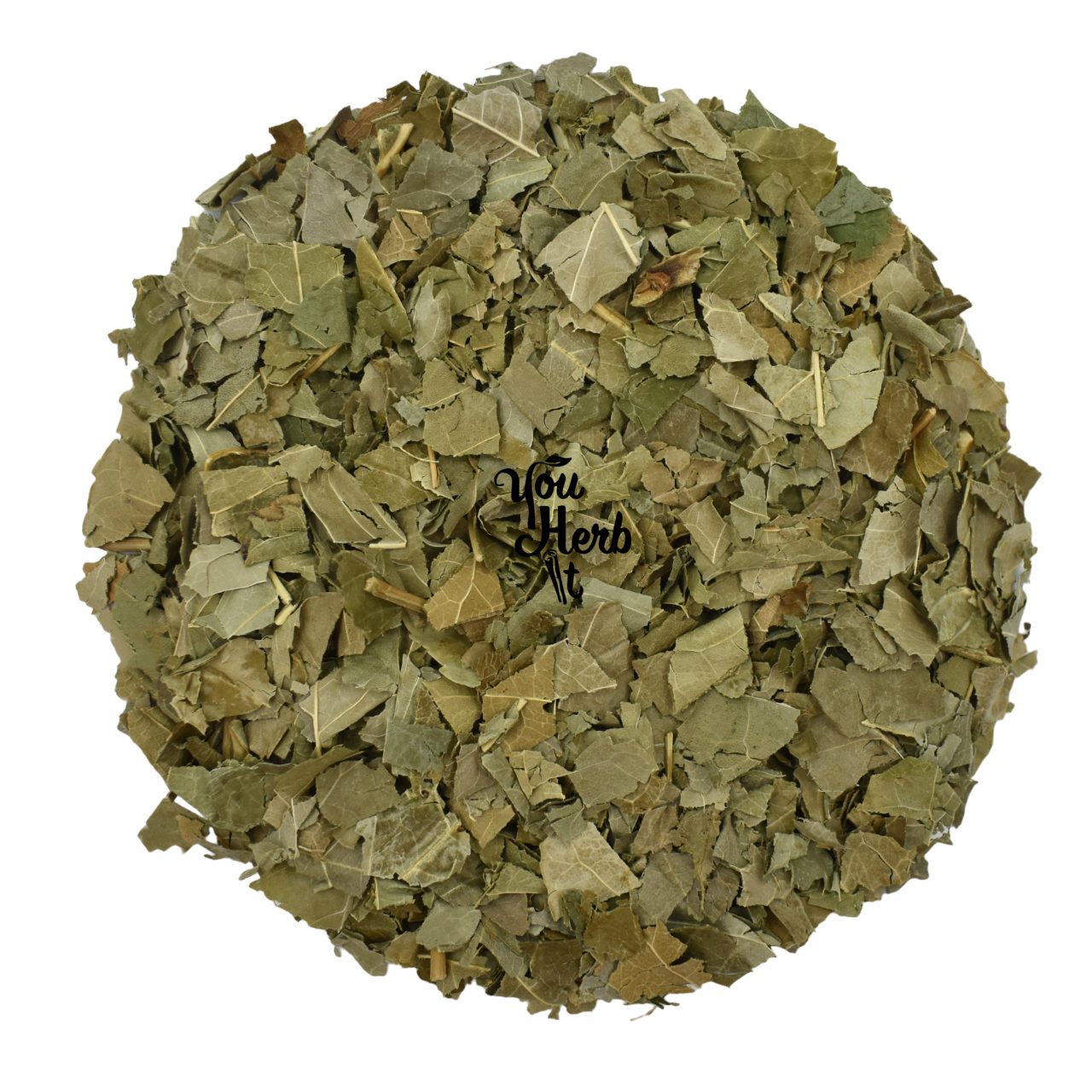
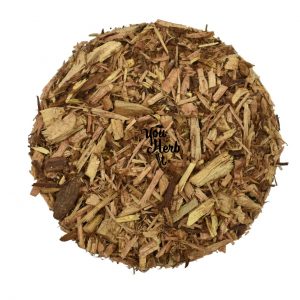
Latin Name: Fraxinus Exelsior
There’s a very long historical tradition of using European ash as a medicine. Its uses as a medicinal herb were already known by the Greek physician Hippocrates.
– The bark and leaves have been used traditionally as an herbal remedy for diarrhea.
– The substance fraxin found in the bark and the leaves has diuretic properties and may increase the excretion of uric acid.
– The bark and the leaves of the ash tree may act as a mild laxative due to the presence of mannitol and can, therefore, be used as an herbal remedy for constipation and to eliminate intestinal parasites.
As an infusion – one or two teaspoons of ground leaves to a cup of hot water. Steeped for 2 to 3 minutes and then strained. Drink one to two cups a day.
As a decoction – one teaspoon of bark powder to a cup of water. Boiled briefly and then steeped for 2 to 3 minutes. Drink one cup daily. For a more appealing taste add peppermint or sweet marjoram.
There are no registered side effects when Ash is used as an herbal medicine.
Ash can cause allergic reactions in some people. Cases of allergy to the pollen have been reported, but are considered uncommon.
In any case you should consult with your healthcare doctor before using herbal products especially if you are pregnant, nursing, or on any medications.

Reviews
There are no reviews yet.