From € 6,65
Description
Latin Name: Urtica Dioica L.
Common Names: Common Nettle, Burn Nettle, Stinging Nettle, Nettle Leaf, Stinger
Parts Used: Seed
Origin Country: Serbia
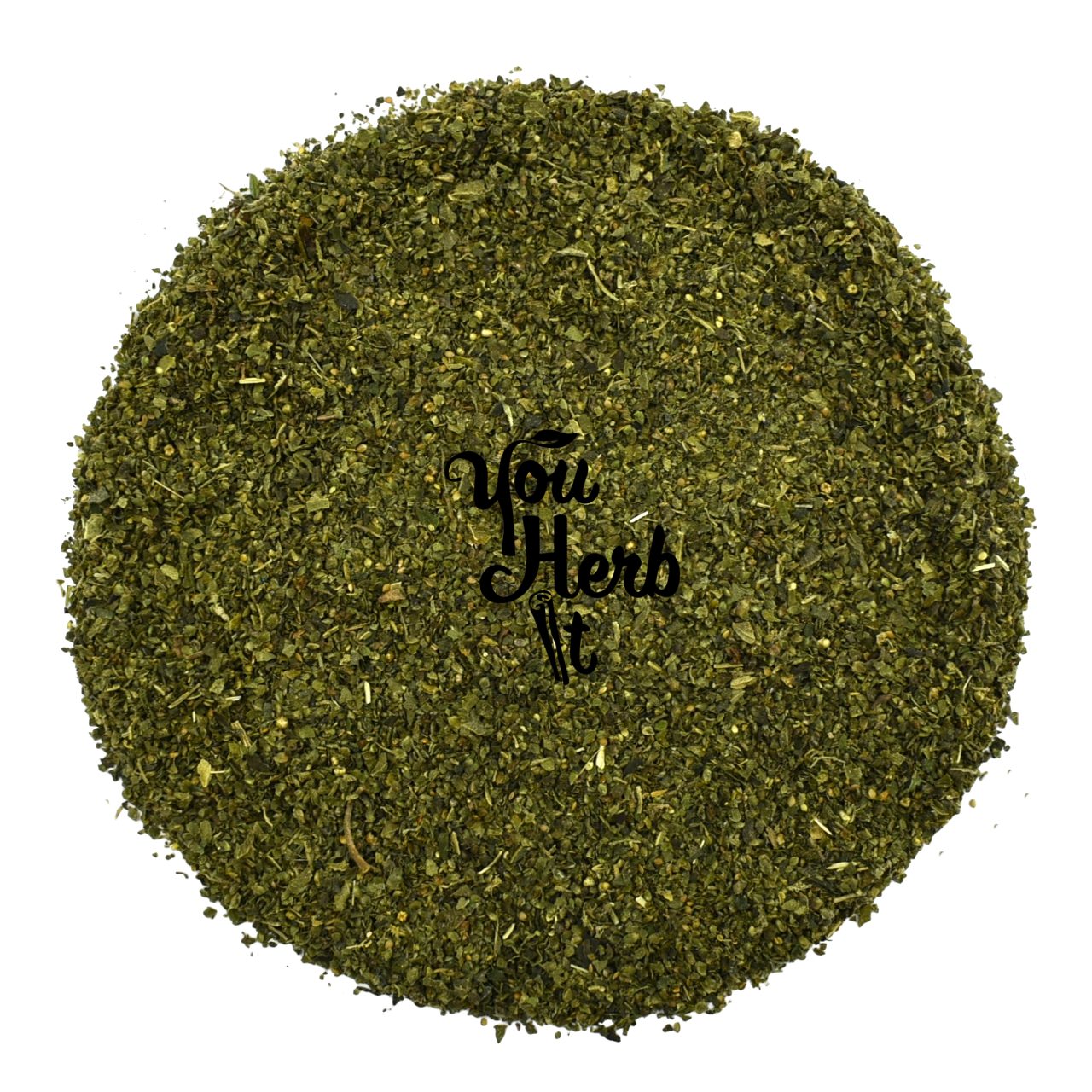
Urtica dioica L., commonly known as stinging nettle, is a herbaceous perennial plant native to Europe, Asia, North Africa, and North America. It belongs to the Urticaceae family and is well known for its tiny, stinging hairs that cover its leaves and stems, which release a mild irritant upon contact with skin. The plant typically grows upright, with serrated, deep green leaves that are arranged oppositely along square-shaped stems and small, greenish clustered flowers. The seeds of Urtica dioica are small, oval, and shiny, often light green to pale brown when mature. They have a mild, slightly nutty or grassy flavour, making them suitable for culinary and herbal uses, particularly sprinkled on salads, mixed into smoothies, or brewed as a tea.
– Culinary Use
Sprinkle nettle seeds over salads, soups, smoothies, or other foods for added nutrition. Nettle seeds can be eaten alone as a snack.
– Nettle Seed Tea
To prepare nettle seed tea, start by crushing the seeds slightly to release their flavours. Use about 1 to 2 teaspoons of crushed nettle seeds per cup of hot water. Place the crushed seeds in a teapot or heatproof container. Pour hot water over the seeds and let steep for 5 to 10 minutes. Strain the tea to remove the seeds before drinking. You can sweeten the tea with honey or add lemon if desired. Enjoy the nettle seed tea hot or let it cool and serve over ice for a refreshing beverage.
– Urtica dioica is rich in vitamins A, C, and K, as well as minerals like iron, calcium, and magnesium, which support overall health.
– The herb contains antioxidants that help strengthen the immune system and protect against oxidative stress.
– Stinging nettle is used to promote healthy skin and hair, helping with conditions like acne, dandruff, and hair growth.
– The fibre content in stinging nettle can aid digestion and help relieve constipation, bloating, and digestive discomfort.
Disclaimer: This information is only for educational purposes and it is not intended to prevent or cure any disease
– Urtica dioica is generally considered safe for consumption when prepared properly and used in moderation.
– Some individuals may experience mild gastrointestinal discomfort, such as nausea, upset stomach, or diarrhoea, particularly when consumed in large quantities.
– Although rare, some people may experience allergic reactions to stinging nettle, including skin rashes, itching, or swelling.
– It is recommended to consult with a healthcare provider, during pregnancy and breastfeeding, before using urtica dioica
Additional information
| Weight | N/A |
|---|---|
| Quantity | 50g, 100g, 200g, 300g, 400g, 500g, 600g, 750g, 1000g (1kg), 2000g (2kg) |