
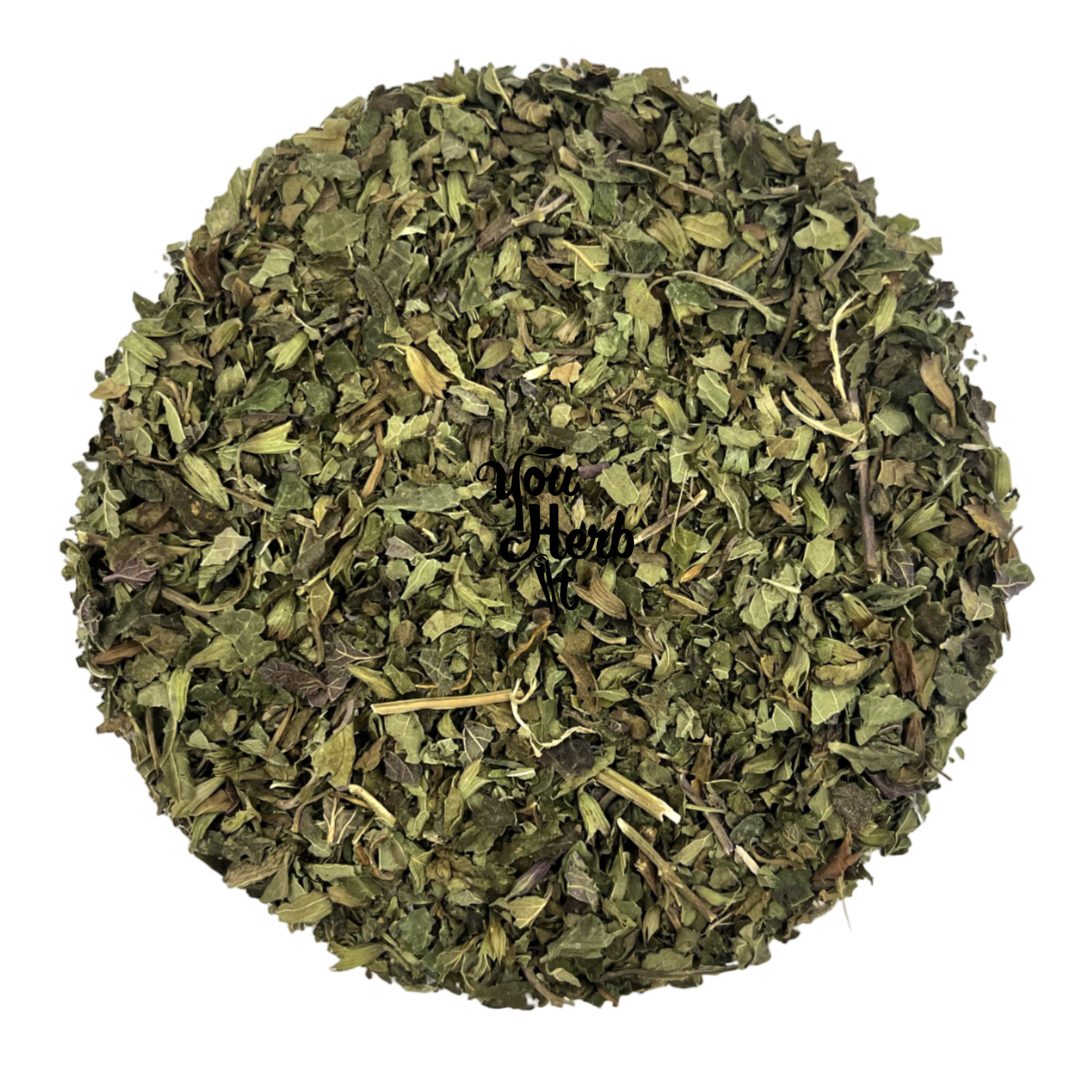
Description
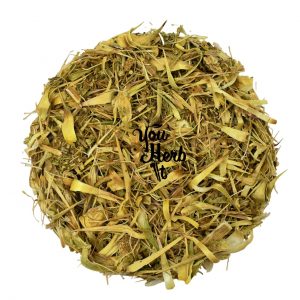
Latin Name : Melissa Officinalis
Origin Country: Bulgaria
Lemon balm is an herb with a citrus aroma that belongs to the mint family. It is rich in antioxidants: flavonoids, terpenes and polyphenols. It has been used as a natural remedy for many ailments for centuries, but what are its benefits:
- Lemon balm is used for nervous agitation, sleeping problems, functional gastrointestinal complaints, menstrual cramps and urinary spasms.
- Mental Clarity, Concentration and Relaxation: Lemon balm is widely used to treat anxiety and insomnia. It reduces anxiety and stress and eases sleep disorders.
- Increases Concentration Levels: It has been proven by various researches that students who consumed lemon balm had better results at tests they undertook.
- Herpes and Anti-viral Properties : Research has shown that the plant contains polyphenols, it can help significantly in the treatment of cold sores and combat the herpes simplex virus, shingles as well as other viral afflictions. When applied to cold sores and areas affected with herpes,lemon balm helped in speading the virus as well as stopped the itchiness.
- Digestive problems: If you have various symptoms such as indigestion – stomach upset or gas, nausea or vomiting and diarrhea, lemon balm can help relieve these symptoms.
Reviews
There are no reviews yet.