
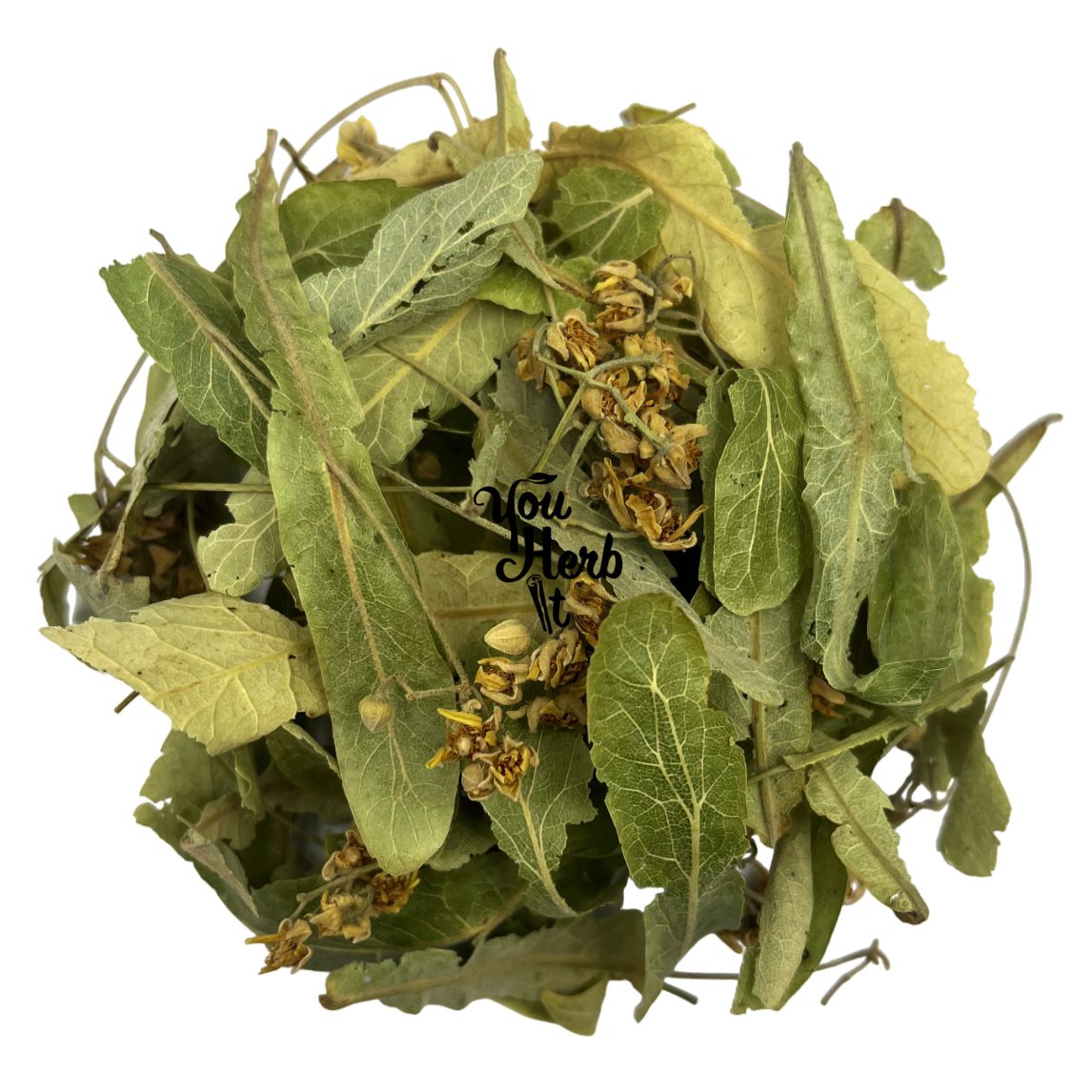
Description
Latin Name : Tilia Cordata
Origin Country: Bulgaria
Linden tree belongs to family of Tilia genus and is found mostly in North America, Europe and Asia. The tree’s dried flowers, leaves and also bark are widely used for medicinal purposes. Some people also use the leaves and the bark of the tree for enhanced flavour and nutritional properties.
Here are some of the most important benefits of linden:
- Digestive Benefits : One of the most common uses of linden tea is for an upset stomach or diarrhea and many other gastronomical problems, including gastrocardiac syndrome, which occurs when a excessive amount of gas causes the stomach to put pressure on the heart.
- Relaxation Benefits: Linden tea is well-known for its ability to reduce stress and anxiety.
- Diaphoretic Benefit : Linden flower and leaves is used to combat the common cold and cold-related coughs.The linden flower, when taken as a hot tea, will slightly raise the body temperature, and help the body’s immune system to fight against infections. The induced raise in body temperature is kept relatively low, as diaphoretics also increase sweating, which the body will do to lower its temperature.
- Cardiovascular Benefits: Linden tea’s ability to promote relaxation and calmness has an additional benefit for those who suffer from hypertension. It is believed that linden can prevent plaque from binding to artery walls and promotes blood flow, which decreases the probability of a stroke.
- Liver Benefits: The inside bark of the linden tree is used in some countries to treat liver and gallbladder problems. The bark acts as a mechanism to increase the flow of bile through the liver, which helps keep the liver drained. It has also been used to treat several different types of hepatitis.

Reviews
There are no reviews yet.