From  5,45

Description

Latin Name: Pimpinella Anisum L.

Common Names: Sweet cumin, Anís

Parts Used: Seeds

Origin Country: Syria

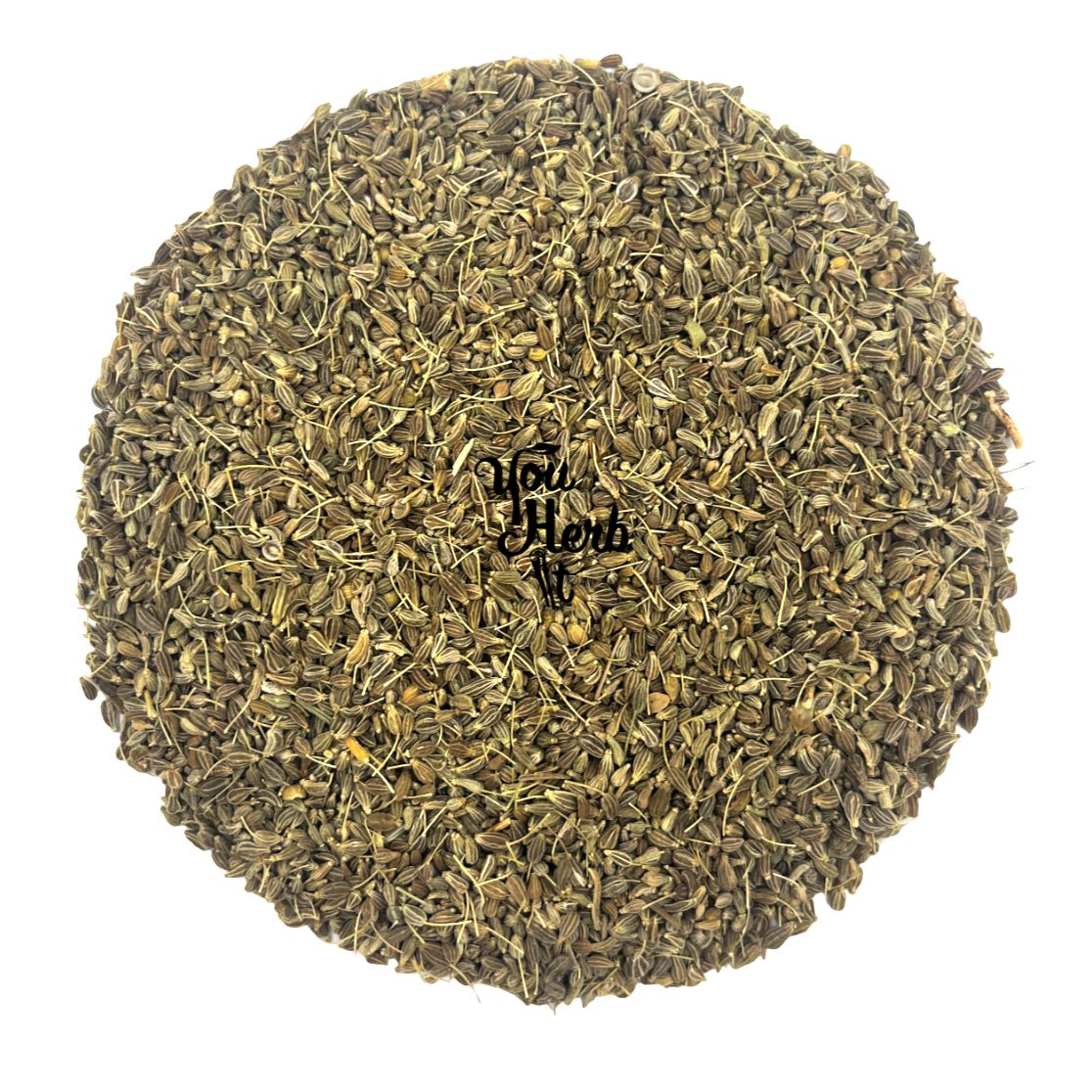
Pimpinella anisum L., commonly known as anise or aniseed, is an aromatic plant in the Apiaceae (Umbelliferae) family, the same family as carrots, celery, and parsley. Native to the eastern Mediterranean region and Southwest Asia, anise has been cultivated since ancient times for its seeds. The plant is a small herbaceous annual with feathery green leaves and white umbrella-shaped flower clusters. After flowering, it produces oval, ridged seeds that are grayish-brown and highly fragrant. Anise seeds when used in baking spice blends and herbal teas, which are known for their sweet, liquorice-like flavour and aroma.

– Herbal Tea

Crush 1–2 teaspoons of whole anise seeds slightly to release the essential oils. Pour 1 cup of boiling water over the seeds. Cover and steep for 5–10 minutes. Strain and drink up to 2–3 times a day, especially after meals to support digestion or ease a cough.

– In Cooking and Baking

Add whole seeds to bread dough, biscuits, cookies, or cakes for a mild, sweet liquorice flavour. Toast briefly in a dry pan to enhance aroma before adding to recipes. Used in spice blends like Chinese five-spice or Indian masala.


Storage: Place them in an airtight container and keep it in a cool, dry, and dark location, such as a cupboard or pantry, away from heat, light, and moisture. Properly stored, they can retain their flavor and aroma for up to a year or more.

– Anise has been used to relieve bloating, gas, indigestion, and promote healthy bowel movements.

– Pimpinella Anisum has expectorant qualities that can help loosen mucus, making it useful for treating coughs and sore throats.

– Its mildly sedative properties have been used in teas to promote relaxation, restful sleep and reduce stress.

– Anise seeds are a source of antioxidants that help combat oxidative stress and support general health.


Disclaimer: This information is for educational purposes only and it is not intended to diagnose, cure or prevent any disease.

– Aniseed is generally considered safe when consumed in moderate amounts.

– Some individuals may experience allergies to anise and experience symptoms like skin rash, nausea, or respiratory discomfort.

– Excessive consumption of anise may cause nausea, vomiting, or mild diarrhoea.
– Pregnant and breastfeeding women should consult a health provider before using aniseed.

Additional information

Weight N/A
Quantity

50g, 100g, 200g, 300g, 400g, 500g, 600g, 750g, 1000g (1kg), 2000g (2kg), 3000g (3kg), 4000g (4kg), 5000g (5kg)

SKU: ANIS Category: